


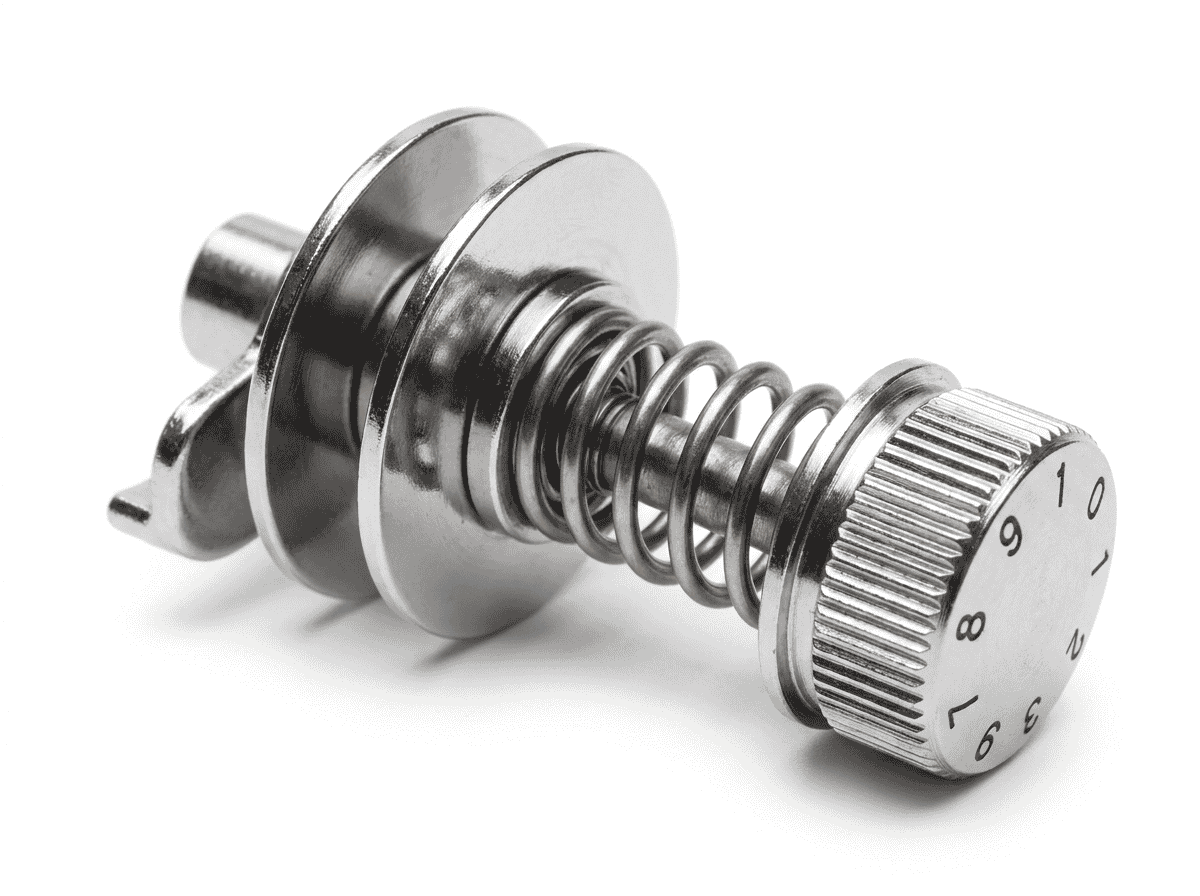
Embroidery machine tension parts play an important role in producing clean, balanced, and consistent embroidery. When the tension system works correctly, the upper thread moves smoothly through the machine and works with the bobbin thread to create stable stitches. When that balance changes, the finished design can show loose stitches, looping, thread breaks, puckering, or excessive bobbin thread on the surface. At SA Embroidery, we understand how important dependable machine performance is for factories, technicians, dealers, and embroidery businesses. This guide explains how embroidery machine tension works, what common symptoms may mean, when components should be replaced, and how to choose embroidery machine spare parts for commercial use. Embroidery machine tension is the controlled resistance applied to thread as it moves through the machine. The goal is not to make the upper thread as tight as possible. Instead, the upper and bobbin threads need to work together in balance so each stitch forms correctly. The embroidery machine thread tensioner helps control the movement of the upper thread. If upper tension is too tight, the thread can experience unnecessary stress, which may contribute to breaks, tight-looking stitches, or fabric puckering. If the tension is too loose, the design may show loops, loose stitches, or inconsistent coverage. Correct embroidery machine thread tension also depends on the rest of the setup. Needle condition, bobbin setup, threading, fabric, and design density can all influence stitch quality. That is why changing the tension setting should not always be the first response when stitch quality changes. A professional troubleshooting process begins by checking the complete machine setup. Embroidery machine tension partsmay be small, but each one affects how consistently the upper thread moves. The tension discs apply controlled pressure as the thread passes through the system. Lint, dust, and thread fibers can collect around these discs during normal production. Even minor buildup can interfere with smooth thread movement, so cleaning and inspection should usually come before replacement. The post supports and positions components within the tension system. If it becomes worn, damaged, or unstable, maintaining the same setting can become more difficult. Springs help the system respond to thread movement. A worn or damaged spring may cause a particular needle position or machine head to behave differently from the others. If most heads are stitching correctly and one repeatedly has problems, compare that head with one that is operating normally before replacing anything. Check the threading, needle, bobbin, settings, and visible components first. This helps identify whether the issue is limited to one part rather than the entire system. Embroidery machine tension problems can appear in several ways, and the finished stitching often provides the first clue. Repeated thread breakage is one of the most common symptoms. If you are asking why does my embroidery thread keep breaking, excessive resistance is one possible cause, but it is not the only one. A worn needle, incorrect threading, rough thread movement, unsuitable thread, or another machine issue can create similar symptoms. Checking only the tension setting may therefore cause you to overlook the actual problem. Loose stitches or loops may indicate that the upper thread is not receiving enough controlled resistance. Before increasing tension, confirm that the thread is seated correctly inside the system and follows the proper path. Bobbin thread showing excessively on the front can indicate that upper and lower thread are no longer balanced. Puckering can also be related to tight tension, although fabric, stabilizer, hooping, and stitch density may contribute as well. Treat the visible stitch as a clue rather than an immediate diagnosis. A careful inspection can save time and prevent unnecessary replacement. Knowinghow to adjust embroidery machine tensioncan help solve many stitch-quality issues before replacement parts are needed. Start by confirming that the machine is threaded correctly. The upper thread should pass through all required guides and sit properly within the tension system. Next, inspect the needle. A bent, worn, damaged, or incorrectly installed needle can produce results that look like a tension issue. Check the bobbin and bobbin case as well. Upper and lower thread work together on every stitch, so both sides should be considered before making changes. Inspect the tension area for lint or thread fibers and clean it according to the machine’s maintenance instructions. Once these checks are complete, make a small adjustment and run a test design. Avoid making several large changes at once. Small, controlled adjustments make it easier to see how the machine is responding. If you are trying to understand how to fix embroidery machine tension problems, this step-by-step process is more reliable than repeatedly turning the adjustment without checking anything else. Whenever possible, compare the problematic area with a part of the machine that is stitching correctly. This gives you a useful reference before changing more settings. Embroidery machine tensioner replacement should normally be considered only after correct threading, cleaning, inspection, and adjustment fail to restore consistent performance. Judge components by condition and performance rather than relying on a universal replacement schedule. A visibly damaged part, a component that no longer holds a reliable setting, or a system that remains inconsistent after proper maintenance may need replacement. Repeatedly adjusting a worn component is rarely an efficient long-term solution. If one needle position or machine head continues to show the same issue after the basic checks have been completed, inspect the tension components more closely. Before any embroidery machine tensioner replacement, confirm the exact machine model and component compatibility. Parts that appear similar are not always interchangeable. Ordering by appearance alone can lead to unnecessary delays, incorrect installation, or additional troubleshooting. Commercial embroidery businesses should also consider regular inspection of frequently used machines so worn components can be identified before they interrupt an important production order. Choosing the correct embroidery machine spare parts starts with accurate machine information. Check the brand, exact model, and available part number before ordering. If the part number is unknown, clear photographs of the existing component can help a supplier identify what is required. This is especially important when sourcing Tajima embroidery machine parts, Barudan embroidery machine parts, or SWF embroidery machine parts. Different models and series from the same manufacturer may use different components. Compatibility should always come before appearance, especially for commercial buyers purchasing multiple units. When looking for Tajima embroidery machine parts, confirm the exact Tajima model before ordering. The same approach should be followed for Barudan embroidery machine parts and SWF embroidery machine parts. If possible, provide the original part information together with clear photographs. This can make identification easier and reduce the risk of ordering an unsuitable component. Working with an experienced embroidery machine spare parts supplier can make this process easier when several machine models or replacement components are involved. Factories, technicians, dealers, distributors, and embroidery businesses often require wholesale embroidery machine parts instead of individual replacements. Commercial buyers may need regular stock, multiple units, or embroidery machine spare parts for several machines. Price matters, but it should not be the only consideration. Compatibility, product consistency, availability, communication, and an understanding of machine requirements can all influence the buying experience. Before requesting wholesale embroidery machine parts, prepare the machine brand, exact model, available part information, required quantity, and destination country. Clear photographs can also help when exact part details are unavailable. Choosing the right embroidery machine spare parts supplier becomes particularly important for businesses that purchase regularly. A supplier should be able to understand what machine the component is intended for and what information is required before an order is placed. SA Embroidery supplies machine components for embroidery businesses, factories, technicians, dealers, and distributors. Commercial buyers can share their requirements before ordering so the correct machine information can be checked. For businesses purchasing regularly, keeping a record of machine models and commonly required parts can also make future orders easier to manage. SA Embroidery focuses on machine parts and supplies for commercial embroidery businesses, technicians, factories, dealers, and distributors. For buyers looking for Tajima embroidery machine parts, Barudan embroidery machine parts, SWF embroidery machine parts, or other embroidery machine spare parts, accurate machine information is important before purchasing. When contacting SA Embroidery, provide the machine brand, exact model, available part information, required quantity, and clear photographs when needed. For wholesale orders, customers can also share their destination country and quantities when requesting pricing. Whether you need individual replacement parts or wholesale embroidery machine parts, compatibility should remain the priority. Good embroidery depends on consistent thread control. Understanding the tension system, checking the machine carefully, and making controlled adjustments can solve many stitching issues before replacement becomes necessary. When problems continue, inspect the relevant components instead of repeatedly changing settings. If replacement is required, confirm the exact machine model and compatibility before purchasing. For factories, technicians, dealers, distributors, and commercial embroidery businesses looking for embroidery machine tension parts, embroidery machine spare parts, or wholesale embroidery machine parts, SA Embroidery can support sourcing based on machine and order requirements.How Embroidery Machine Tension Works
Understanding Embroidery Machine Tension Parts
Common Embroidery Machine Tension Problems
How to Adjust Embroidery Machine Tension
When Embroidery Machine Tensioner Replacement Is Needed
Choosing Embroidery Machine Spare Parts for Major Brands
Wholesale Embroidery Machine Parts for Commercial Buyers
Why Choose SA Embroidery?
Conclusion
Need embroidery machine parts?
WhatsApp us. We respond within 24 hours, Mon–Sat
Frequently Asked Questions
Common questions about this topic
1What are embroidery machine tension parts?
Embroidery machine tension parts are components that help control resistance on the upper thread as it moves through the machine. They work together to support balanced stitch formation.
2How do I know if embroidery machine tension is wrong?
Loose stitches, looping, repeated thread breaks, puckering, or excessive bobbin thread on the front can indicate that embroidery machine tension needs attention.
3Why does my embroidery thread keep breaking?
If you are asking why does my embroidery thread keep breaking, check threading, the needle, bobbin, and machine setup first. Excessive tension can be one possible cause, but it is not the only one.
4How do I adjust embroidery machine tension?
To learn how to adjust embroidery machine tension, begin with correct threading and inspection. Make small changes, test the result, and avoid several large adjustments at once.
5Where can I buy wholesale embroidery machine parts?
Commercial buyers can purchase wholesale embroidery machine parts from an experienced embroidery machine spare parts supplier such as SA Embroidery. Always confirm the machine model and part requirements before ordering.