


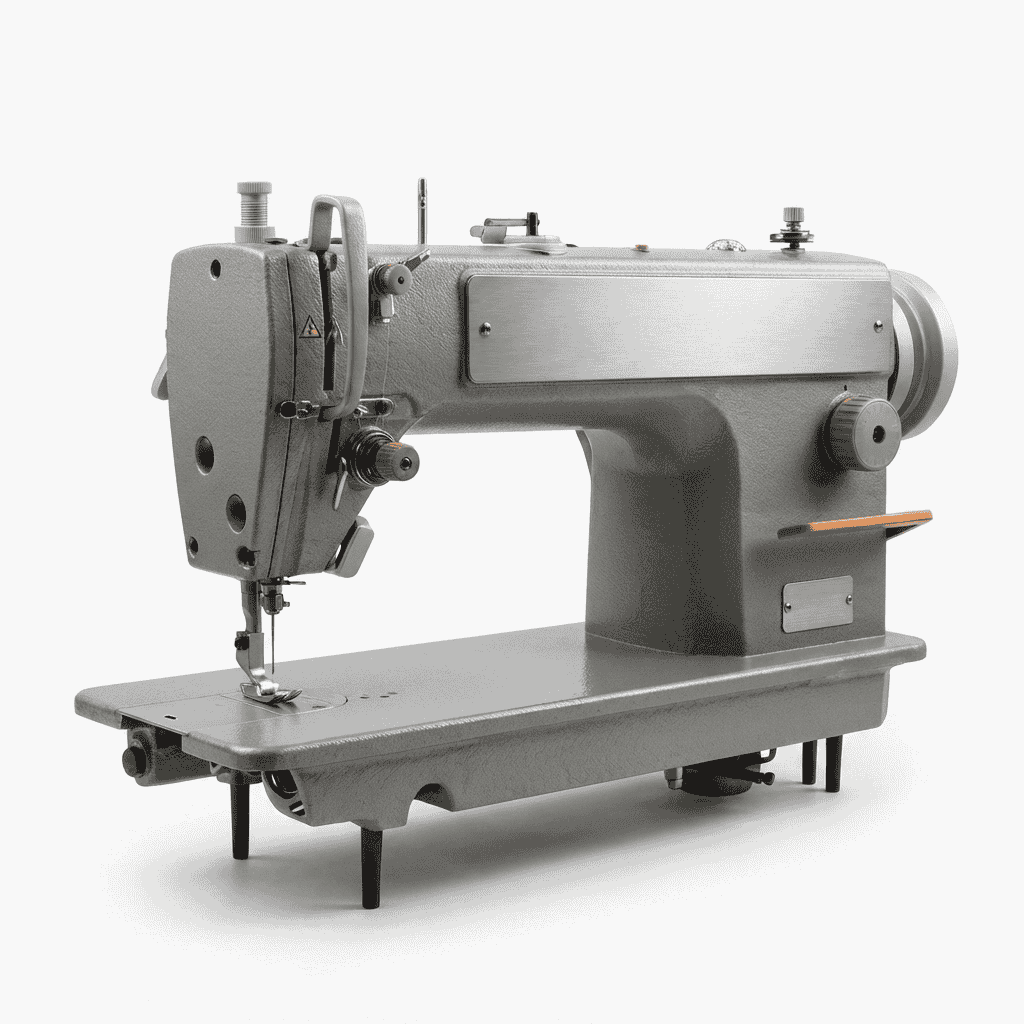
A Juki embroidery machine can be an excellent choice for businesses that need reliable equipment for professional sewing and embroidery applications. For businesses looking for quality machine parts, embroidery thread, and related supplies, SA Embroidery provides products designed to support professional embroidery and textile production. The right machine can make a significant difference in production efficiency, stitch consistency, and overall workflow. Whether you operate a tailoring shop, embroidery business, garment factory, or textile workshop, selecting equipment according to your actual production requirements is essential. Juki is a recognized name in the sewing industry, with different machines designed for professional and industrial applications. However, choosing the right machine requires more than simply looking at the brand. Buyers should consider fabric type, production volume, machine application, operating requirements, maintenance, and availability of replacement components. This guide explains what businesses should know before investing in Juki equipment and how to choose a solution that matches their production needs. A Juki embroidery machine is designed for professional textile applications where accurate and consistent stitching is important. Depending on the particular machine and configuration, equipment can be used for garment production, decorative stitching, tailoring, and other textile applications. It is important to understand that sewing machines and embroidery machines can serve different purposes. Sewing machines primarily join fabric pieces together, while embroidery machines create decorative patterns, lettering, logos, and other detailed designs. Businesses involved in both sewing and embroidery may require different equipment for each part of their production process. Before purchasing a machine, consider what products you manufacture, which fabrics you use, how many items you produce each day, and what type of stitching your customers require. For a commercial textile business, machine reliability directly affects production. Frequent breakdowns, inconsistent stitching, or unsuitable equipment can result in delays and additional operating costs. Professional equipment should provide stable performance and consistent results during regular use. Businesses should also consider how easy it is to maintain the machine and whether compatible replacement parts are readily available. A machine suitable for a small tailoring shop may not be the right choice for a large production facility. Similarly, equipment designed for lightweight fabrics may not be appropriate for heavy materials. The best approach is to select equipment based on your actual workflow rather than choosing a machine simply because it has more features or a higher price. A Juki tailor machine can be a practical solution for tailoring businesses that require reliable sewing performance for regular garment production. Tailors often work with different fabrics, garment designs, and order sizes. A dependable machine helps operators maintain consistent stitching while completing work efficiently. For smaller businesses, ease of operation and maintenance are particularly important. Operators should be able to use the machine comfortably while carrying out routine cleaning and maintenance. Before buying a Juki tailor machine, consider the types of clothing you produce, the materials you commonly use, your daily workload, and the available workspace. This helps ensure that the machine you select fits your business rather than creating unnecessary limitations. Businesses searching for aprofessional sewing machine Juki should first identify the specific work they need the machine to perform. Professional sewing equipment can be used in tailoring shops, garment factories, workshops, and commercial production environments. However, different models may be designed for different types of sewing. When comparing equipment, pay attention to construction, stitching performance, operating speed, fabric compatibility, maintenance requirements, and availability of replacement parts. Commercial users should also think about long-term operating costs. A machine that performs reliably and can be maintained properly may provide greater value over time than a cheaper machine that frequently requires repairs. Leather and other heavy materials require equipment designed to handle greater resistance during stitching. The needle, thread, presser foot, feeding mechanism, and other components all need to be appropriate for the material. AJuki industrial leather sewing machine may be suitable for businesses working with leather and other heavy materials, depending on the specific model and its specifications. Leather manufacturers may produce bags, wallets, belts, footwear components, upholstery products, and other goods. Each application can have different requirements, so businesses should verify that their selected machine is suitable for the thickness and type of material they plan to use. Using the correct needle, thread, presser foot, and machine settings is also important for achieving consistent results. Finding thebest Juki sewing machine depends on your business requirements. There is no single machine that is ideal for every application. Start by identifying your main production requirements. A small tailoring business may need a versatile machine for everyday garments, while an industrial manufacturer may require specialized equipment for continuous production. Fabric type is another major consideration. Lightweight fabrics, denim, canvas, leather, and other materials can require different machine capabilities. Production volume should also influence your decision. If your business processes large orders every day, industrial equipment designed for regular commercial use may be more appropriate. You should also consider operator experience, machine size, maintenance requirements, replacement part availability, accessories, and long-term operating costs. Taking all of these factors into account makes it easier to select a machine that supports your business today and as it grows. TheJuki sewing machine industrial price can vary depending on the model, specifications, application, features, accessories, market, and machine condition. Industrial equipment designed for specialized applications may have a different price from standard sewing equipment. Additional features and specialized configurations can also affect the overall investment. Instead of considering only the initial purchase price, businesses should evaluate the machine's long-term value. Maintenance costs, replacement components, productivity, durability, and expected operating life can all affect the total cost of ownership. Before making a purchase, businesses should request complete specifications and confirm that the equipment is appropriate for their production requirements. The term silai machine Juki is commonly used by buyers who search for Juki sewing equipment using local terminology. Tailors and garment businesses often look for machines that offer dependable operation, consistent stitching, and long-term durability. Regardless of the search term used, buyers should identify the exact machine model before purchasing replacement components or accessories. This is particularly important because different machines can require different needles, bobbin components, presser feet, tension parts, and other accessories. Knowing the exact model helps businesses avoid compatibility problems and unnecessary purchasing costs. Businesses that produce professional embroidery designs may require equipment capable of handling multiple thread colors efficiently. A multi needle embroidery machine can improve production workflow by allowing different thread colors to remain prepared on the machine. This can reduce the need to repeatedly change threads when producing designs that contain several colors. Multi-needle systems can be useful for businesses producing uniforms, corporate clothing, promotional products, caps, customized garments, and other embroidered items. Before investing in this type of equipment, businesses should consider production volume, design complexity, operator training, workspace, maintenance, and budget. A multi color embroidery machine can be useful for embroidery businesses that regularly produce colorful logos, lettering, patterns, and decorative designs. Multiple thread colors allow operators to work on detailed designs more efficiently, particularly when producing repeated commercial orders. However, professional embroidery quality depends on more than the machine. Thread quality, needle selection, proper tension, digitizing quality, and regular machine maintenance all influence the final appearance. For this reason, businesses should build a complete production system rather than focusing only on the machine itself. Even high-quality professional equipment requires maintenance and replacement components. Regular production can cause certain machine parts to wear over time. Replacing worn components promptly can help maintain performance and reduce production interruptions. Depending on the machine, businesses may require needles, bobbin components, hooks, presser feet, tension components, cables, and other machine-specific parts. Using compatible components is important because incorrect parts can affect machine performance and stitching quality. For businesses looking for professional embroidery supplies, SA Embroideryprovides machine parts, embroidery thread, and related products designed to support embroidery operations. Regular maintenance can help professional sewing and embroidery equipment operate more consistently. Cleaning should be performed regularly to remove lint, dust, and thread buildup. Operators should also follow the manufacturer's recommendations for lubrication and servicing. Needles should be inspected regularly and replaced when they become worn or damaged. A damaged needle can affect stitch quality and increase thread breaks. Thread tension should also be monitored, particularly when changing thread types or working with different fabrics. Commercial businesses should establish a routine maintenance schedule instead of waiting until a machine develops a major issue. Proper maintenance can help extend equipment life, reduce unexpected downtime, and support consistent production. A successful embroidery business depends on more than the machine itself. High-quality thread, needles, bobbins, and replacement parts all contribute to the final result. Poor-quality supplies can lead to thread breaks, uneven stitches, design imperfections, and production delays. Reliable suppliers help businesses maintain access to essential components and reduce interruptions caused by unavailable stock. SA Embroidery offers embroidery machine parts, embroidery thread, and related supplies for businesses working with professional embroidery equipment. Keeping frequently needed components in stock can help businesses maintain smoother production and respond to customer orders more efficiently. Choosing suitable equipment can help a business improve productivity while maintaining consistent quality. A machine that matches the company's production requirements can reduce unnecessary delays and make it easier for operators to complete orders efficiently. Businesses should also think about future growth. If order volumes are expected to increase, selecting equipment with appropriate production capabilities can help avoid the need for an immediate upgrade. For embroidery businesses, investing in suitable machines, quality supplies, and regular maintenance creates a stronger foundation for long-term growth. Choosing the right Juki embroidery machine requires more than comparing prices. Businesses should consider their production volume, fabric types, application, machine capabilities, maintenance requirements, and access to compatible parts. A Juki tailor machine may be suitable for tailoring and garment businesses, while specialized industrial equipment can be more appropriate for heavier materials. Businesses producing colorful commercial embroidery may also benefit from a multi needle embroidery machine or multi color embroidery machine. The machine is only one part of a successful embroidery operation. Quality thread, needles, machine components, accessories, proper settings, and regular maintenance all contribute to consistent results. For businesses that need reliable embroidery machine parts and supplies, SA Embroidery provides professional products to support embroidery and textile production.What Is a Juki Embroidery Machine?
Why Professional Embroidery Equipment Matters
Juki Tailor Machine for Garment Businesses
Professional Sewing Machine Juki for Commercial Applications
Juki Industrial Leather Sewing Machine for Heavy Materials
How to Choose the Best Juki Sewing Machine
Understanding Juki Sewing Machine Industrial Price
Silai Machine Juki for Tailoring and Sewing Businesses
Multi Needle Embroidery Machine for Commercial Production
Multi Color Embroidery Machine for Detailed Designs
Why Quality Embroidery Machine Parts Are Important
How to Maintain Your Juki Embroidery Machine
Choosing the Right Supplies for Professional Embroidery
How the Right Machine Can Support Business Growth
Conclusion
Need embroidery machine parts?
WhatsApp us. We respond within 24 hours, Mon–Sat
Frequently Asked Questions
Common questions about this topic
1What is a Juki embroidery machine used for?
A Juki embroidery machine can be used for professional textile and embroidery applications depending on the specific machine and configuration. Businesses may use suitable equipment for garments, decorative designs, uniforms, and customized textile products.
2How can I choose the best Juki sewing machine?
To choose the best Juki sewing machine, consider your fabric type, production volume, intended application, machine specifications, maintenance requirements, and availability of compatible replacement parts.
3What is a multi needle embroidery machine?
A multi needle embroidery machine uses multiple needles and thread colors, making it useful for producing designs that require several colors without repeatedly changing the thread manually.
4What is a multi color embroidery machine?
A multi color embroidery machine is designed to work with multiple thread colors, making it useful for colorful logos, lettering, patterns, and detailed embroidery designs.
5Is Juki equipment suitable for professional businesses?
Juki offers different types of professional and industrial sewing equipment. The appropriate machine depends on the business's specific application, fabric type, production volume, and operational requirements.
6Why are embroidery machine parts important?
Quality and compatible machine parts help maintain equipment performance and can reduce downtime caused by worn or damaged components.