


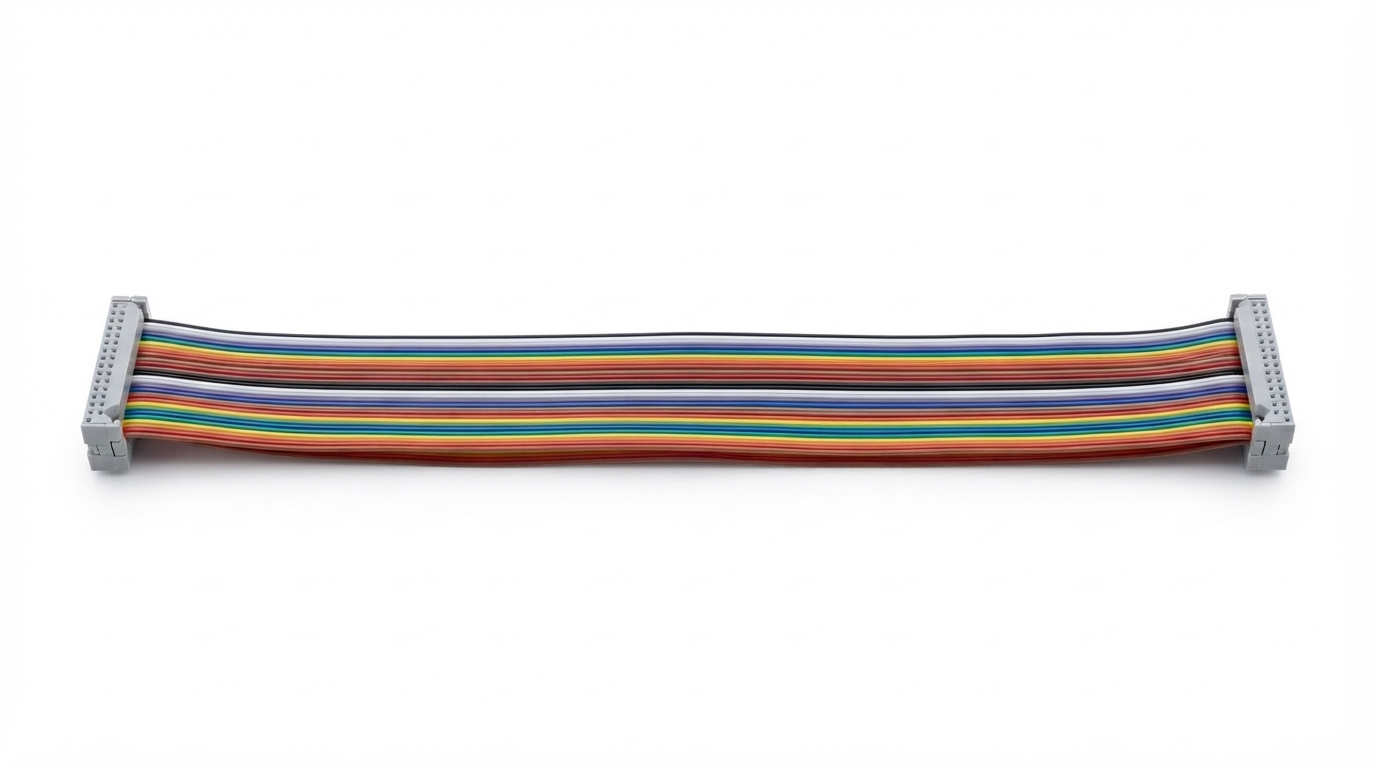
Ribbon cable plays an important role in many embroidery machines because it helps carry electrical signals between connected electronic components. Although it may look like a simple flat strip, a damaged or poorly connected cable can contribute to communication faults, intermittent controls, display issues, or machine behavior that is difficult to diagnose. For a commercial embroidery workshop, even a small connection problem can slow production and create unnecessary downtime. Choosing the correct replacement is equally important. Two cables may look similar while having different conductor layouts, connector arrangements, lengths, or machine applications. Buyers should therefore check the original part and machine information before ordering. At SA Embroidery, we work with businesses that need dependable embroidery machine spare parts for maintenance and regular production support. This guide explains how these cables work, what signs may indicate damage, how replacement should be approached, and what to check before buying a compatible part. A flat ribbon cable contains several electrical conductors arranged side by side in a thin, flat form. This design helps organize multiple connections in a compact space and makes routing easier inside machines where separate loose wires would be inconvenient. In an embroidery machine, the exact function depends on where the cable is installed and which components it connects. It may carry signals between control sections, boards, displays, or other electronic assemblies. Because machine designs vary, a cable should always be identified according to the specific machine rather than by appearance alone. A flat cable is flexible, but it should not be sharply folded, twisted, stretched, or trapped between moving components. Repeated stress can weaken the conductors or the connection points near the ends. Correct routing and installation are therefore just as important as selecting the right part. Understanding embroidery machine ribbon cable problems can save time when a machine develops an electrical or control-related fault. Cable issues are not always obvious, and symptoms may appear only when the machine vibrates or moves. A cable may become damaged because of repeated bending, pressure, accidental pulling, incorrect routing, or rough handling during maintenance. Connector areas can also suffer when a cable is repeatedly removed and reinserted without care. Possible signs include intermittent controls, an inconsistent display or panel, loss of communication between connected components, or a fault that appears and disappears. These symptoms do not automatically prove the cable is responsible; connectors, boards, power connections, or other embroidery machine partscan create similar behavior. Inspect the complete connection path before replacing anything. Proper diagnosis matters because replacing a working component wastes both time and money. For commercial embroidery businesses, a systematic inspection is usually more useful than changing several parts until the machine begins working again. If you are trying to understand how to identify damaged embroidery machine cable, begin with a careful visual inspection while following the safety instructions for your machine. Look at the entire cable from one connector to the other rather than checking only the most visible section. Watch for deep creases, cuts, damaged insulation, crushed areas, worn edges, bent connector contacts, or places where the cable has been rubbing against another component. Areas close to the connectors deserve extra attention because repeated movement can place stress on these points. A loose connection can also create an intermittent fault. If the machine recently underwent maintenance, check whether the cable is correctly seated and routed according to the machine's service requirements. Avoid bending the cable repeatedly just to see whether the fault changes. If an internal conductor is already weak, extra movement can make the problem worse. When visual inspection does not reveal the cause, further technical diagnosis may be necessary rather than replacing several embroidery machine spare parts without evidence. A good maintenance habit is to inspect cable routing whenever the machine is opened for other repair work. Catching visible wear early can help prevent an unexpected production interruption later. Knowinghow to replace embroidery machine ribbon cablestarts with identifying the correct replacement. Before removing the original part, confirm the machine brand, exact model, connector layout, cable dimensions, and any available part number or reference. The machine should be powered down and handled according to the manufacturer's service and electrical-safety guidance. If the work involves areas you are not qualified to service, use an experienced embroidery machine technician. Before disconnecting the old cable, take a clear photo of its position and routing. When fitting the new part, avoid sharp folds, excessive tension, twisting, or forcing connectors into place. An embroidery machine flat cable replacement should follow the original routing and sit securely away from moving assemblies. If the fault remains after installation, the problem may be elsewhere in the electronic system. Correct installation matters because even the right replacement part may perform poorly if it is under constant pressure or incorrectly connected. Technicians should therefore compare the final installation with the original routing before closing the machine. Compatibility is one of the most important parts of buying a replacement flat cable. A similar-looking product is not automatically a correct match. Start with the exact machine brand and model. Then compare the original cable's length, width, conductor count, connector style, orientation, and any visible part number. For older machines, it may also be useful to check whether different production years or versions use different parts. When sourcing a flat ribbon cable for multi head embroidery machine, head count and machine configuration may also matter. Buyers should provide as much information as possible instead of asking only for “a cable for Tajima” or “a cable for Barudan.” Searches such as Tajima embroidery machine ribbon cable, Barudan embroidery machine ribbon cable, and SWF embroidery machine ribbon cablemay help narrow the product category, but final selection should still be based on the exact machine and original part. If the part number is unavailable, clear photos of both ends, the full cable, connector area, and machine nameplate can help a supplier identify the correct option more accurately. This is particularly useful for international buyers because confirming compatibility before shipping is much easier than arranging another order after receiving an incorrect component. For factories, repair technicians, dealers, and distributors, purchasing one cable is often part of a larger maintenance requirement. Many businesses prefer to source several embroidery machine parts together so they can maintain essential stock and reduce downtime. When choosing an embroidery machine spare parts supplier, compatibility should come before price alone. A low-cost part is not useful if it does not fit the machine or requires another shipment to correct the mistake. A professional inquiry should include the machine brand, exact model, part number if available, clear product photos, required quantity, and destination country. This information helps the supplier understand the request and reduces unnecessary back-and-forth. For buyers ordering wholesale embroidery machine parts, keeping an internal list of frequently replaced components can make repeat ordering faster. SA Embroidery supports B2B buyers sourcing machine components for commercial embroidery operations. Accurate machine information should always be the starting point. For regular buyers, keeping previous invoices, photographs, model information, and confirmed part references can also simplify future orders. Instead of identifying the same component again, purchasing teams can refer to previously verified information. Even the correct part can fail early if it is installed carelessly. The cable should follow a clean path, remain clear of moving assemblies, and avoid unnecessary bends or pressure. During routine maintenance, technicians can visually inspect cables while checking other embroidery machine parts. Early signs of wear are easier to manage before they become a complete connection failure during production. For busy embroidery businesses, preventive inspection is more practical than waiting for a machine to stop during an urgent order. At SA Embroidery, we recommend confirming compatibility before ordering rather than relying only on appearance. Checking machine details can prevent delays, incorrect parts, and additional shipping costs. The same approach applies across machine maintenance in general. Correct identification, careful installation, and routine inspection work together. Focusing only on replacement without considering installation conditions may allow the same issue to return. A ribbon cable may be a small part of an embroidery machine, but choosing and installing the correct one can make a real difference in reliable machine operation. The safest approach is to inspect the existing connection carefully, identify the exact machine, compare the replacement with the original part, and avoid ordering solely by appearance. For commercial users, good maintenance is not only about repairing a fault after it happens. Regular inspection, correct routing, accurate compatibility checks, and keeping essential embroidery machine spare parts available can help reduce avoidable downtime. If you need help identifying a compatible part, SA Embroidery can assist with product selection based on your machine details, photos, and requirements. Providing accurate information from the beginning makes the sourcing process faster and more reliable.How a Flat Ribbon Cable Works in an Embroidery Machine
Common Embroidery Machine Ribbon Cable Problems
How to Identify Damaged Embroidery Machine Cable
How to Replace Embroidery Machine Ribbon Cable
Choosing the Right Flat Cable and Checking Compatibility
Buying Wholesale Embroidery Machine Parts from the Right Supplier
Why Correct Installation and Maintenance Matter
Conclusion
Need embroidery machine parts?
WhatsApp us. We respond within 24 hours, Mon–Sat
Frequently Asked Questions
Common questions about this topic
1What is a ribbon cable used for in an embroidery machine?
It carries electrical signals between connected machine components.
2How do I know if a flat ribbon cable is damaged?
Check for cuts, creases, loose connections, or intermittent machine behavior.
3Can I use any flat cable in an embroidery machine?
No. The cable must match the machine model and original specifications.
4When should an embroidery machine cable be replaced?
Replace it when damage or testing confirms the cable is causing the problem.
5Are Tajima, Barudan, and SWF ribbon cables the same?
Not always. Compatibility depends on the specific machine model.
6What details should I provide before ordering?
Share the machine brand, model, cable photos, part number, and required quantity.